
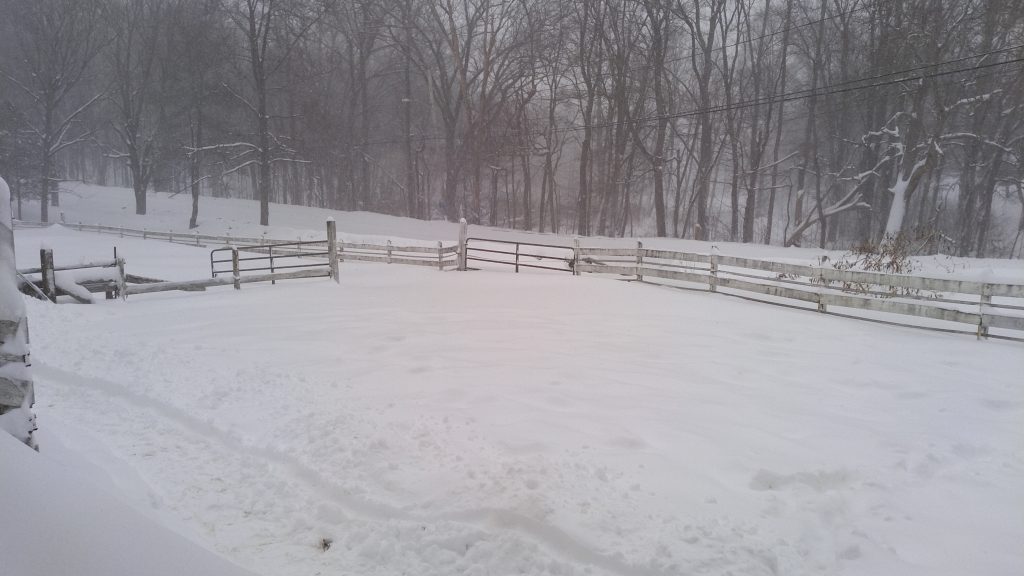
In the last issue, we talked about planning your dream farm, checking in with Town officials, and making friends with your neighbors before you add animals. You’ve got your land (or are buying it), a few sketches of buildings and fences, and a heart full of barnyard dreams. Now comes the big, delightful, slightly terrifying question: what animals do you actually want?
Outdoor animals are a whole different universe from the crowd that hogs your pillows and steals your couch. They live outdoors, within the protection of your barns and fences, but exposed to weather and predators.
They count on you for food, shelter, and a routine that feels safe. Before long, they settle into the rhythm of your day: when breakfast arrives, when stalls are cleaned, when “their human” comes out just to say hello.
Before you fill the barnyard, take a quiet moment to think about why you want animals.
Are you dreaming of fresh eggs, rich milk, Sunday roasts, spinning your own wool, weed control, or simply a barnyard full of characters to make you smile?
Each type of animal has a purpose. Chickens and ducks are tiny egg machines and excel at bug patrol. Goats clear brush, sheep mow lawns and grow sweaters, and cows can fill your milk pail or freezer.
Then there’s the not‑so‑glamorous side: space, time, and resources.
Do you have pasture or mostly yard?
Can you get hay or feed locally, and where will it be stored once it arrives?
What happens in January when the water freezes, or in July when you’d really love a vacation but the animals still expect room service several times a day?
How much time do you realistically have to tend to your animals?
If you grew up with cows, sheep, or horses, you might feel perfectly at home starting with them again. You know their quirks, you understand the commitment, and you’ve already logged your hours in muck boots.
But if you’re brand‑new to the barnyard, it helps to start small and simple, with something that doesn’t weigh a thousand pounds or require a vet on speed dial.
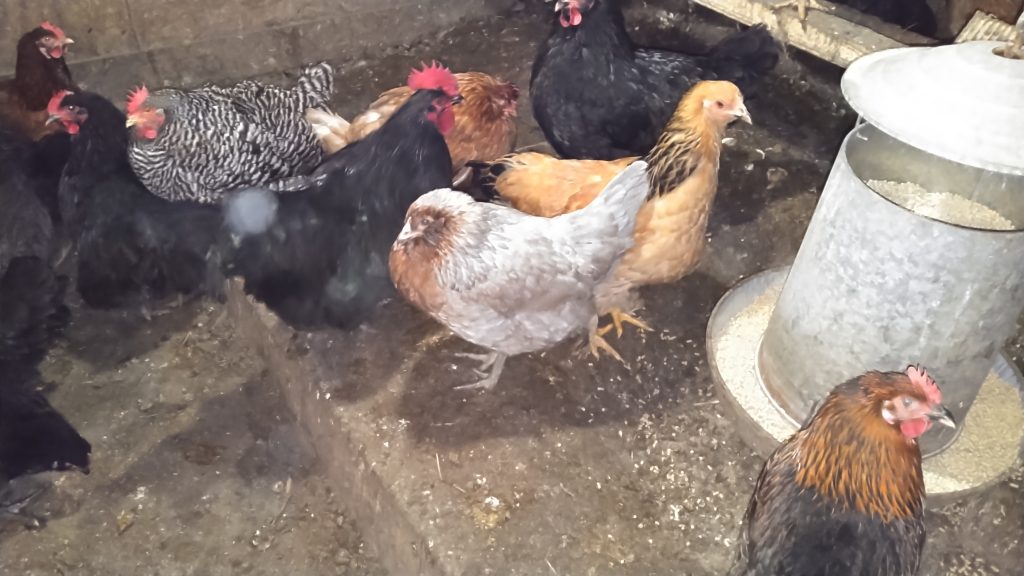
That’s why so many people, including us, start with chickens.
Chickens are relatively inexpensive, don’t need acres of pasture, and they’re endlessly entertaining. They’re little feathered comedians who turn kitchen scraps into eggs and manure for your garden. They can’t knock down a wall just by leaning on it, and they usually don’t require a second mortgage.
A small starter flock, around six hens, is a great way to begin. It’s enough to keep you in fresh eggs, and you can always sell the extras and make a little feed money.
And despite one of the biggest myths out there, you do not need a rooster for eggs. Hens will lay quite happily without one, which your neighbors may appreciate.
All you truly need to begin is:
- A sturdy, predator‑proof coop and run
- Feed, fresh water, and dry bedding
- A bit of time each day for feeding, checking for eggs, and cleaning
I suggest starting with grown (or partially grown) hens rather than babies, because baby chicks are especially vulnerable and a little less “bomb-proof”. You can always get chicks and raise them later, once you are more comfortable with all that goes with having birds.
Give it a year together, through mud season, summer heat, crunchy‑cold mornings, and the “why is this water frozen again?” days. You’ll learn how long chores really take, which routines work for you, and whether the sound of chickens gossiping over breakfast still makes you smile when it’s 10 degrees out.
If, by next spring, you’re still grinning at the sight of a dust‑bathing hen or a proud little egg in the nest box, you’ll know you’re ready to grow. Maybe that means more birds (maybe even ducks or turkeys), or maybe goats or something larger down the road.
The important thing is to let your experience, not just your dreams, guide the next step.
For now, start small, build your routine, and enjoy every moment. There’s plenty of time to add mooing, bleating, and neighing to your barnyard chorus later.
Next week we’ll talk about setting up your farm spaces: coops, pens, and paddocks that make daily chores easier on you and happier for your animals. See you then!
Fresh Keeps the Vet Away!
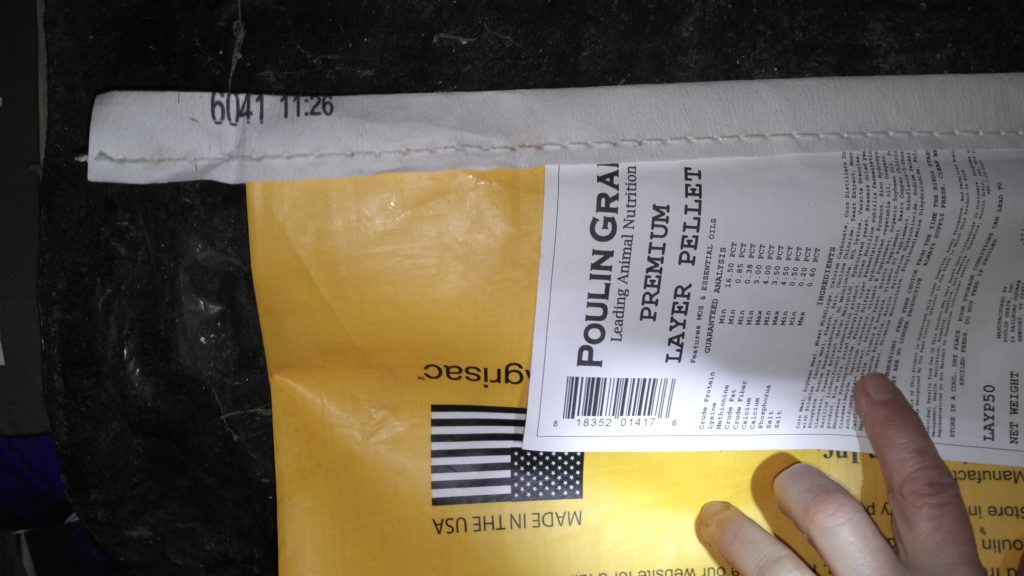
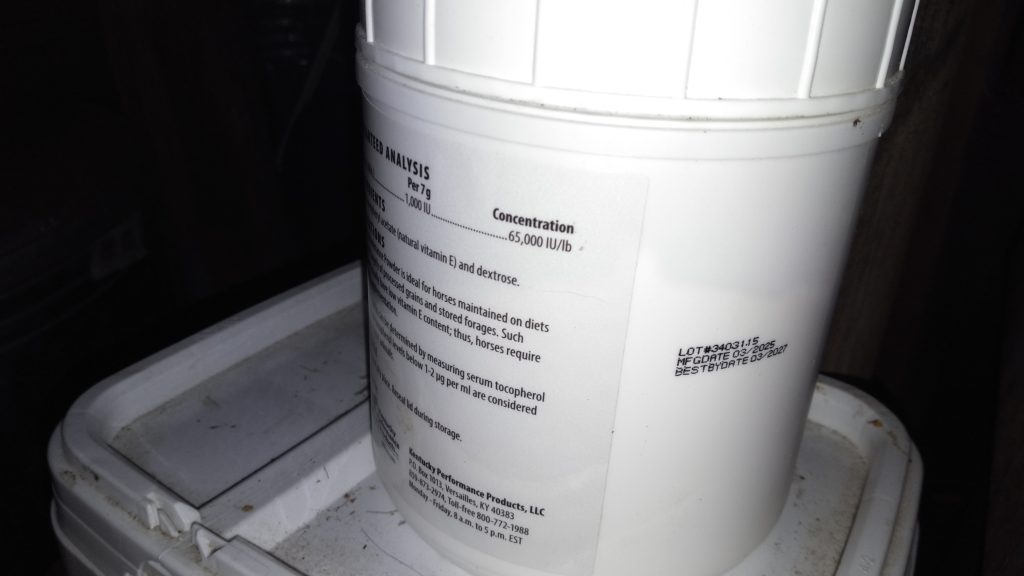
Did you know that, just like our own food, animal feed and supplements have dates on them too? They come in various styles: manufacturing, expiration, or “best by” dates. You might have to hunt around a bit to find them, but they’re there, and they matter just as much as the ones on our cereal boxes.
Grain usually uses a manufacturing date, while supplements generally use expiration or “best by” dates.
Grain bags often have the manufacturing date stamped on that white closure tape at the bottom. The code might look like H650, which means it came from mill “H,” made in 2026 (“6”), on the 50th day of the year (February 19). Some companies flip it around, so 506 or 5026 could mean the same thing.
If it’s a manufacturing date, give the company a quick call or check their website to find out how long it’s good for. For example, my horse grain manufacturer says to use it within about three months for best quality. That way, you can stock up when it’s convenient but still use it up before it starts going stale—or worse, causes a bellyache that means a vet bill.
When you’re storing feed (especially before a storm, or if deliveries look iffy), put the bags with the earliest dates toward the front so you use them first. And if you’re ever unsure what those numbers mean, don’t guess, just call the manufacturer. They can tell you exactly what the code means and how long it’s good for.
A quick check like this helps you buy the freshest feed and supplements possible, avoid waste, keep the vet away, and keep your animals happy and healthy.
.
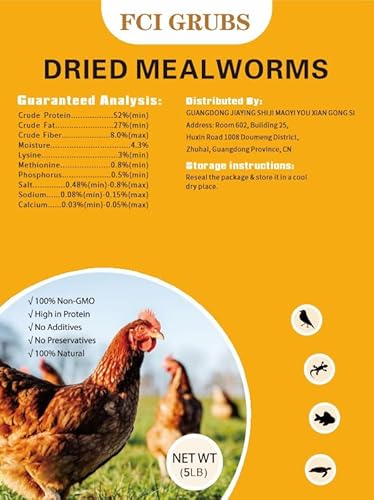
Product Spotlight!
Here are treats your chickens will love!

Click to Read Previous Issues of This Newsletter
.
Click to Subscribe to This NewsletterYou can also subscribe by clicking on the “Subscribe” button on the top left of previous newsletters.
Interested in other newsletters?
Love what you read and want to help keep the lights on?
Click to Make a Voluntary DonationThis post contains affiliate links, which means I may earn a commission
if you click through and make a purchase through these links.
This post is intended for informational purposes only. All information provided does not constitute veterinary medical advice and should not be used as a replacement for professional veterinary consultation. I am not a veterinarian or any other medical professional. Please consult your veterinarian regarding any change in treatment or supplementation for your companion animal.
.