
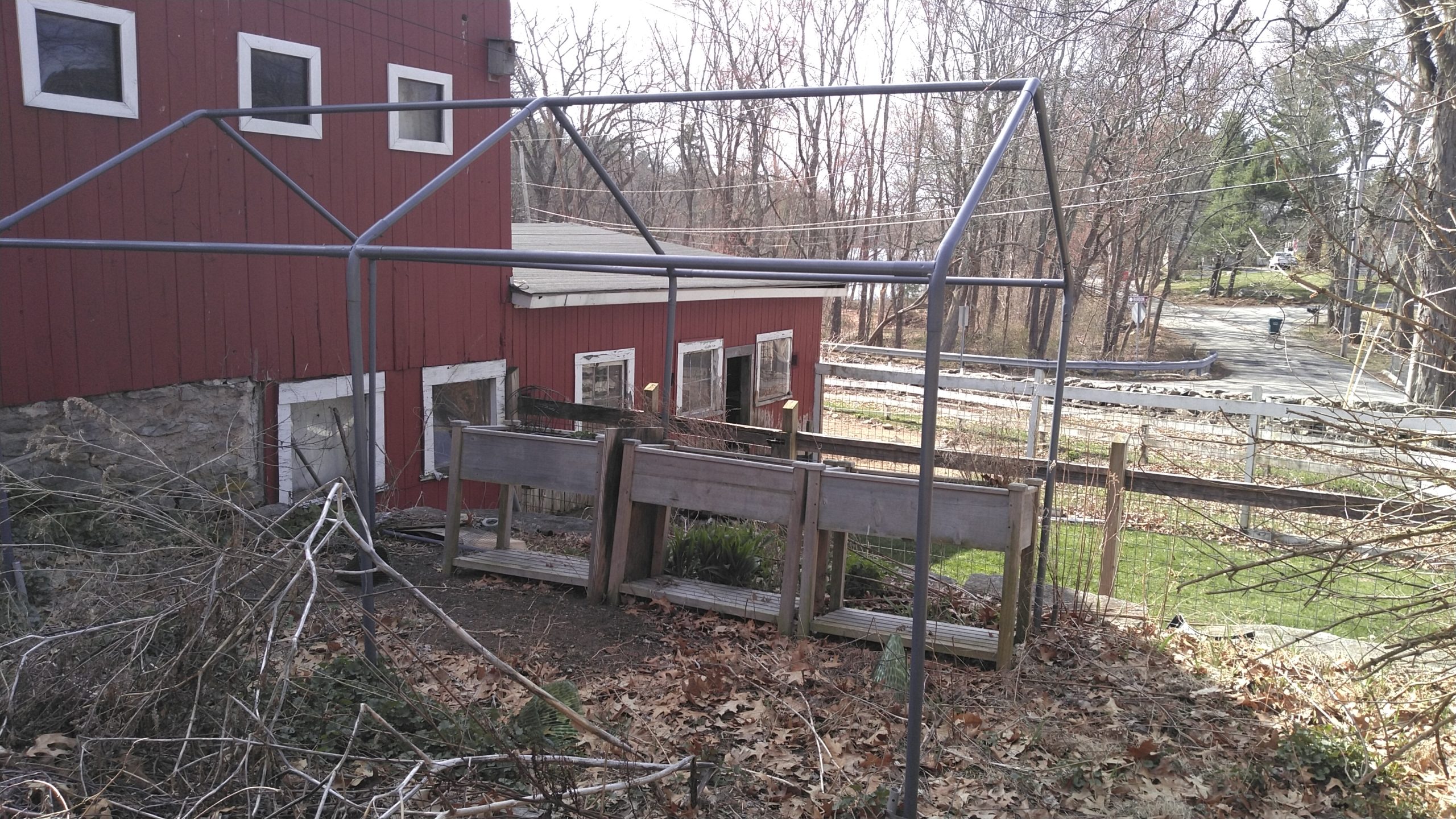
If you followed along from the last issue, you’ve officially claimed your little patch of garden paradise.
Your soil is prepped. Your tools are ready. You’ve got water nearby. Maybe you even stood there thinking, “Yeah… this is gonna be good.”
And now you’re ready to plant.
I get it. This is the exciting part!
But before you go full Johnny Appleseed, we need to talk about two things that can make or break your garden fast:
Weather… and what you actually plant.
Weather: The One Thing You Can’t Boss Around
If you live somewhere warmer, things are already taking off.
Up here in Massachusetts?
We just had frost. Two nights in a row.
Our last frost date is usually mid-May, which means planting too early is basically rolling the dice… and the house usually wins.
Every location has its own timeline. Your job is to respect it. Even when you don’t want to.
Because seeds and seedlings are fragile. A late frost can wipe them out overnight.
Gone. Just like that. Nothing will make your sadder.
Some tougher plants, like broccoli, can handle a little cold once established. But early on? Not a chance.
So if nothing else, check your local frost dates. It’ll save you a lot of frustration (and replanting).
Know Your Zone (AKA Don’t Fight Nature)
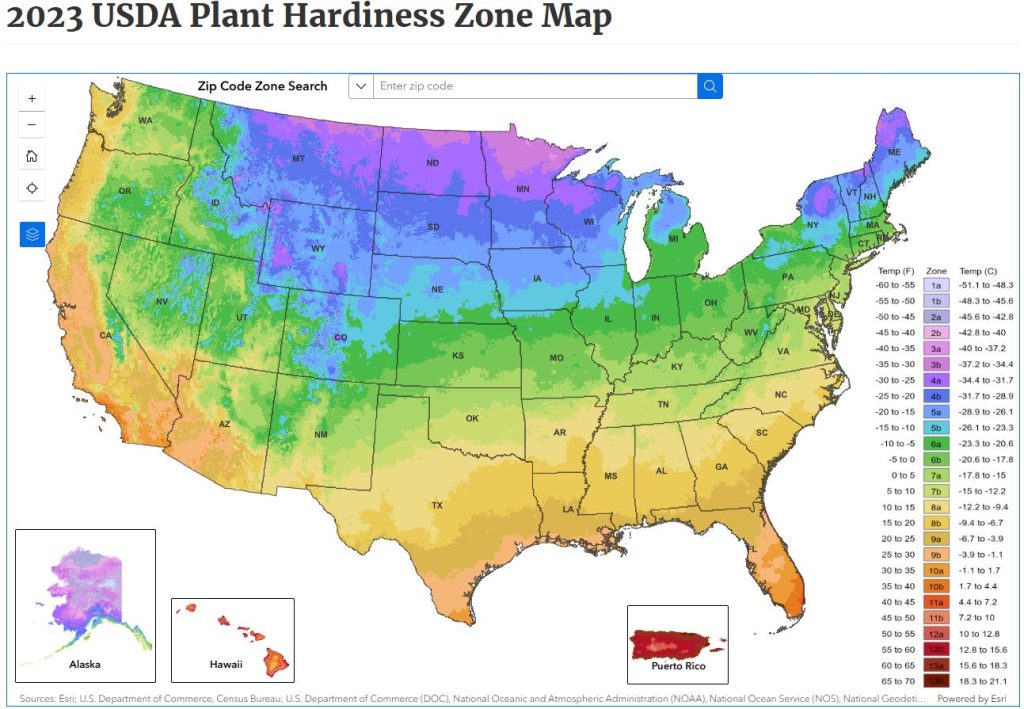
Planting zones are actually worth paying attention to.
The USDA Hardiness Zone Map is just a guide for what grows well where you live. Most plants and seed packets list a zone range right on the label.
That little label? It’s trying to help you succeed.
If it says Zones 5–8 and you’re in Zone 6, you’re good. If not… you might be setting yourself up for disappointment.
Could you push it? Sure.
Should you, especially starting out? Probably not.
When in doubt, ask someone local. Gardeners love sharing what works. That’s usually because they’ve already killed a few plants figuring it out.
What Should You Plant? (This One’s Easy)
What do you actually want to grow?
Here’s the rule: pick something you like.
Love tomatoes? Grow them.
Obsessed with mint tea? Plant mint (just keep it contained).
Want flowers that make your home smell awesome? Go for it!
Your first garden shouldn’t feel like homework. It should feel like, “Oh wow… I grew that!”
That’s what hooks you.
But Don’t Get Carried Away!
Quick reality check: don’t plant everything.
It’s tempting, but that’s how you end up with 14 plants, no plan, and late-night panic Googling.
Ask me how I know 😊
Start small.
A few plants, done well. That’s how you win early.
Annuals vs. Perennials
Annuals last one season. You plant them, enjoy them, and start fresh next year. Most vegetables fall here.
Perennials come back year after year: strawberries, blueberries, and apple trees.
They take patience, but they pay you back.
Asparagus is the classic example. You wait… and then one day it just shows up every spring like it owns the place.
Production is Great Until…
“What am I going to do with all of this?”
Some plants produce steadily. Others go all in.
Tomatoes don’t give you one at a time. They show up like, “Hope you like sauce.”
Zucchini? Even worse. Miss a day and suddenly you’ve got one the size of a small van.
You’ll be freezing, cooking, and giving extras away. Until your neighbors start hiding.
Not a bad problem. Just a real one.
The Honest Truth About Gardening
Not everything will work.
Something won’t grow. Something will grow weird. Something will get eaten.
That’s gardening.
But over time, you figure things out.
And that’s when it gets really fun.
What’s Next?
Right now, you’ve got the plan.
Next comes planting… and protecting it.
Because once those sprouts pop up, it’s not just your garden anymore. Bugs, diseases, and hungry critters are all moving in.
In Part 3, we’ll cover how to plant, and how to keep everything alive after that.
Because growing a garden is one thing… Keeping it from getting eaten is a whole different game.
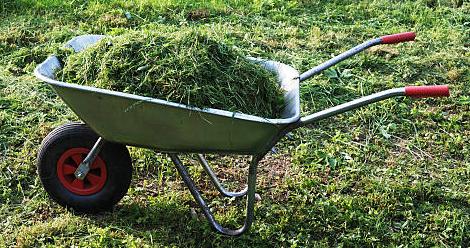
Why Grass Clippings Can Be Dangerous
If you bag your lawn clippings when you mow, it’s easy to think, “This smells like fresh hay… why not give it to the animals?”
It looks tempting. Smells great.
But it’s not a good idea.
Lawn clippings are not the same as hay. They’re very wet, and they include whatever your mower picked up: grass, weeds, and sometimes plants that may be harmful to your livestock.
There’s also another problem you can’t always see.
Have you ever noticed a pile of grass clippings getting warm… or even steaming?
That’s fermentation.
And that’s dangerous.
When animals like goats or horses eat fresh, fermenting grass clippings, it can cause colic and bloat. In serious cases, that can be life-threatening.
Hay is handled very differently. It’s cut from controlled fields and dried out in the sun. Farmers turn it several times so it dries evenly before it’s baled.
That drying step is critical.
If hay is baled with too much moisture, it can ferment and heat up, sometimes enough to start a fire. That’s why properly made hay is dry, not damp or clumped.
Lawn clippings don’t go through that process. They stay wet, heat up quickly, and break down fast.
So even though it feels wasteful, don’t feed them to your animals.
Instead, use lawn clippings as mulch, add them to your compost pile, or dispose of them. Your animals will be much better off, and a lot safer. And you’ll avoid a vet bill… or worse.
.
I’d Like Your Thoughts!
I started this newsletter because a few of my friends loved my stories and wanted me to put them “out there” for others to enjoy. They would tell me what they wanted to hear about, and I’d happily oblige.
The readership has grown now to others that I do not personally know, and that’s wonderful! But that means that I don’t have that one-on-one connection with my audience now.
So… since this newsletter is for you… and I want you to look forward to it, not have it be just another email cluttering your inbox, I’d like to hear from you:
- Do you enjoy hearing from Cisco, Hanky, and Bonnie in their voices?
- Do you want more in-depth info about cats, horses, gardening, etc.?
- Is there something else you’d like to read about?
- Is there something you don’t want to read about?
I want to hear from you, because this newsletter is for you!
Please “reply” to the email that sent you here and let me know your thoughts, so I can give you more of what you’d like to read!
Thank you!!
Click to Read Previous Issues of This Newsletter
.
Click to Subscribe to This NewsletterYou can also subscribe by clicking on the “Subscribe” button on the top left of previous newsletters.
Love this newsletter? Please SHARE it with your family, friends, and neighbors!
Love what you read and want to help keep the lights on?
Click to Make a Voluntary DonationThis post contains affiliate links, which means I may earn a commission
if you click through and make a purchase through these links.
This post is intended for informational purposes only. All information provided does not constitute veterinary medical advice and should not be used as a replacement for professional veterinary consultation. I am not a veterinarian or any other medical professional. Please consult your veterinarian regarding any change in treatment or supplementation for your companion animal.
.