
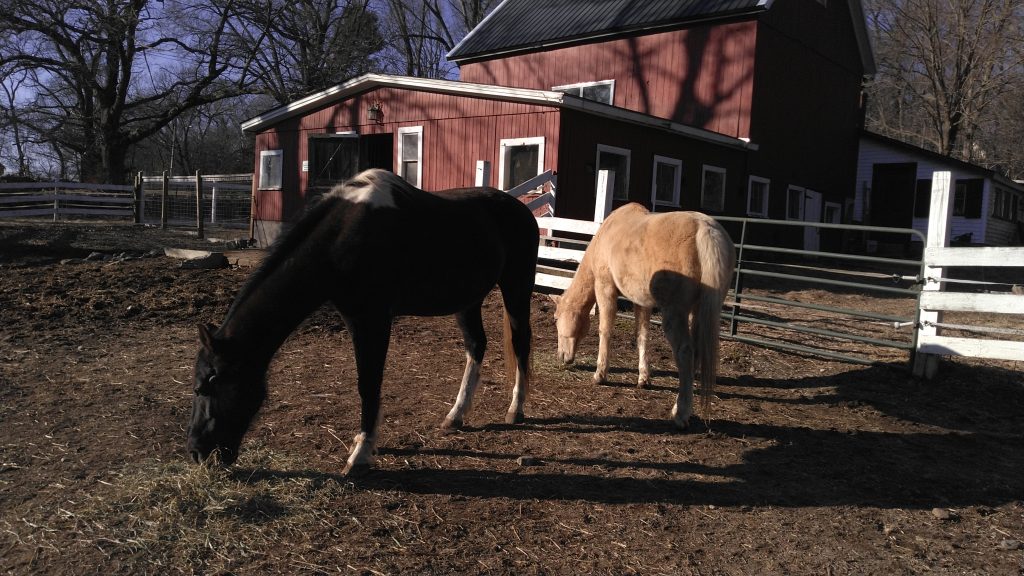
Standing here looking at our farm and how far we’ve come, I feel a real sense of satisfaction and gratitude. This was a lifelong dream, and we did it! Sure, there are rough spots at times, but I wouldn’t give it up for anything.
Maybe you’re thinking the same thing: you want a farm too! Animals, crops, or maybe both. But how do you start?
Assuming you already have land and a home (you need a place to live first!), it can be tempting to jump right in – build a barn, a few outbuildings, and fill them with animals.
But wait!
Gone are the days you could just build a coop or barn and fill it with critters. With a little planning, though, you too can have your own “barnyard chorus”. Legally.
Over the next three issues, I’ll share some tips and helpful hints to set you up for success.
For today, let’s talk about the logistics of having animals.
Which Animals Are Allowed?
First, find out which types of animals your town or city allows.
Some towns permit a few chickens in residential backyards. Others require several acres of agriculturally zoned land to have even one hen. And some communities don’t allow roosters at all.
Some towns allow pigs; many do not.
For larger livestock – goats, sheep, cows, or horses – there are no universal regulations. These rules are all town‑specific, but as a general rule, you usually can’t keep them in a typical backyard.
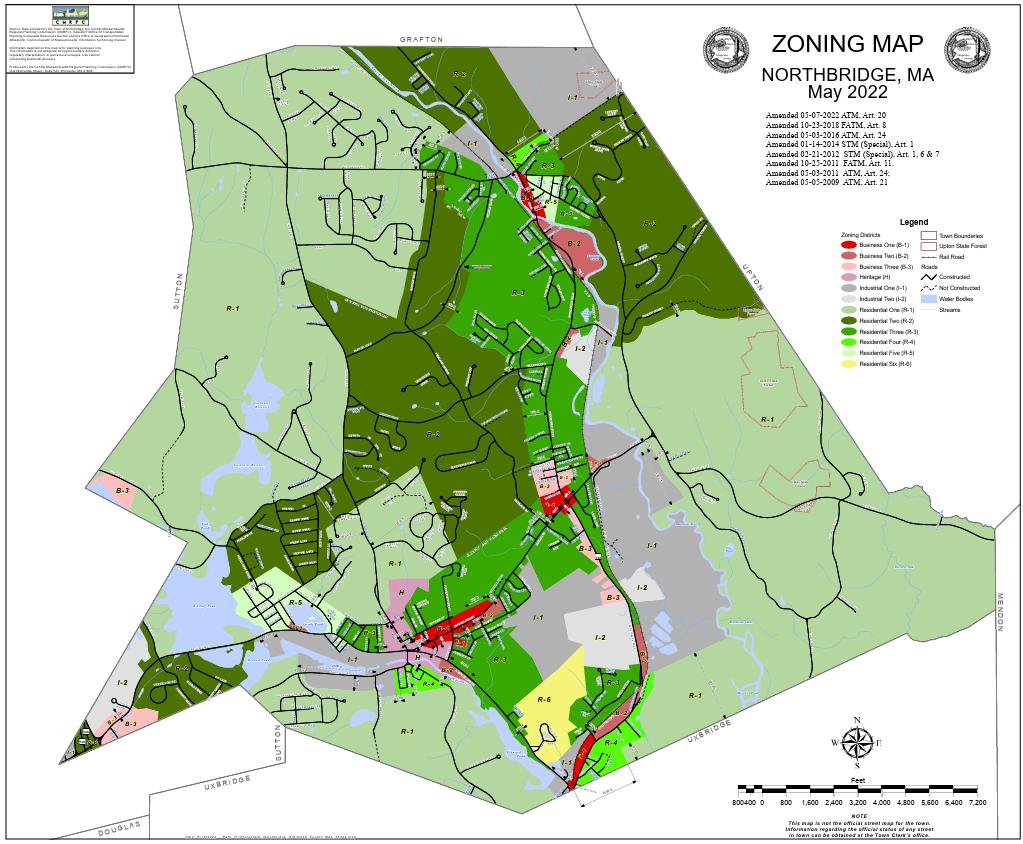
Most communities have multiple zoning categories: residential, agricultural, commercial, special‑use, etc. Check with your local officials (usually the assessor’s office or zoning board) to learn the rules for your particular parcel.
If you already own your property, you’re kind of stuck with whatever zoning you’re in.
If you’re shopping for land, you have more flexibility. Just make sure to check the zoning before you buy.
Housing Regulations
Once you know what animals are allowed, the next step is figuring out where and how they’ll live.
Housing regulations often cover:
- What type of building you need
- Space (square footage) per animal
- Ventilation and light
- Number and placement of doors and windows
Learning these details now will save you time later, especially if you decide to expand into new species.
Also check for:
- Setbacks and distances: How far coops, barns, and manure piles must be from property lines, wells, and water sources.
- Noise and neighbors: Roosters crow, goats yell, manure smells, and early‑morning clucking can surprise non‑farm people. Check nuisance bylaws and talk to neighbors ahead of time.
- Manure and waste: Decide where it will go (compost, pickup, or garden use) and how far it must be from water, dwellings, and property lines.
- Permits and inspections: Some towns require separate animal, barn, or stable permits, or even an “urban agriculture” license, in addition to zoning compliance.
Planning
Remember that you need enough space not only for your animals but also for feed, water, tools, and other supplies.
Make sure animals can stay indoors comfortably during bad weather. Feed can be stored in the same building or in a larger utility building or barn.
Think about accessibility:
- Can you get a wheelbarrow through all doors?
- Can a hay truck or vet vehicle reach the barn?
- Can a hose reach all the waterers?
You can plan for one or many types of animals; this is just the dreaming and sketching stage. There’s no rush to build everything at once. Try different layouts, sleep on them, and picture your daily chores.
Once construction begins, changes become harder (and more expensive) to make.
If you’re working with pre‑existing structures, see what can be retrofitted before starting all over. Sometimes a little creativity can turn an old shed into a safe, comfortable coop or kidding pen.
Other Thoughts
A few more things to keep in mind:
- Predator‑proofing: Use secure fencing, hardware cloth instead of chicken wire, strong latches, and covered runs to keep out hawks, raccoons, and other predators.
- Utilities: Do you need power for heated buckets, lights, or water de‑icers? You can get away without running water if hauling it isn’t too hard, but electricity is really essential.
- Future expansion: Plan for the possibility of more animals later (“Someday I might want goats or sheep”). Gates, alleys, and flexible fencing now can save major headaches down the road.
Your future self will thank you when you’re not killing yourself doing chores in the middle of winter because of poor planning.
Free Those Hay Flakes!
Hay strings are necessary, but they’re also a pain when every flake snags on them. Here’s my hay tip to make life a bit easier:
.
A Very Happy Birthday!
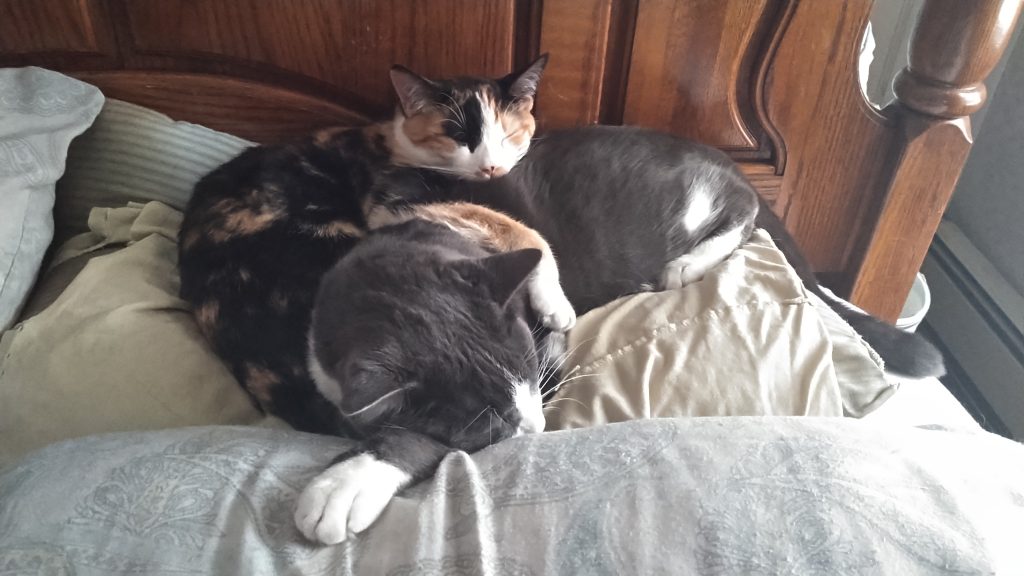
Bonnie (calico) turned 3 years old this past Friday!
She’s an absolute miracle, because only a month after we adopted her, she came down with FIP – Feline Infectious Peritonitis.
This used to be a 100% fatal disease, and the consensus was always euthanasia. However, advances in veterinary medicine now show great promise, and often turn the tide and effect a cure. We were fortunate that Bonnie reacted positively and is now 2 years FIP-free – our FIP Warrior!
Her big brother Cooper, from a completely different litter, no doubt had a huge influence as well. His kind and tender love to his little sister is amazing, and their bond is unbreakable.
Here she is showing what a sweet wonderful little girl she is, and why we are so thrilled that we were able to save this little munchkin. Every evening we have “Snacky Time” – Temptations treats and Delectables squeeze-ups – and she wants me to carry her to the kitchen. Because, as you can see, she can’t walk (yeah right LOL).
Here’s hoping for a long and happy life!
“Donations for more snackies for my big brother and me are welcome!!”
Bonnie – you truly have no shame! 🤣
Click to Read Previous Issues of This Newsletter
.
Click to Subscribe to This NewsletterYou can also subscribe by clicking on the “Subscribe” button on the top left of previous newsletters.
Interested in other newsletters?
Love what you read and want to help keep the lights on?
Click to Make a Voluntary DonationThis post contains affiliate links, which means I may earn a commission
if you click through and make a purchase through these links.
This post is intended for informational purposes only. All information provided does not constitute veterinary medical advice and should not be used as a replacement for professional veterinary consultation. I am not a veterinarian or any other medical professional. Please consult your veterinarian regarding any change in treatment or supplementation for your companion animal.
.