
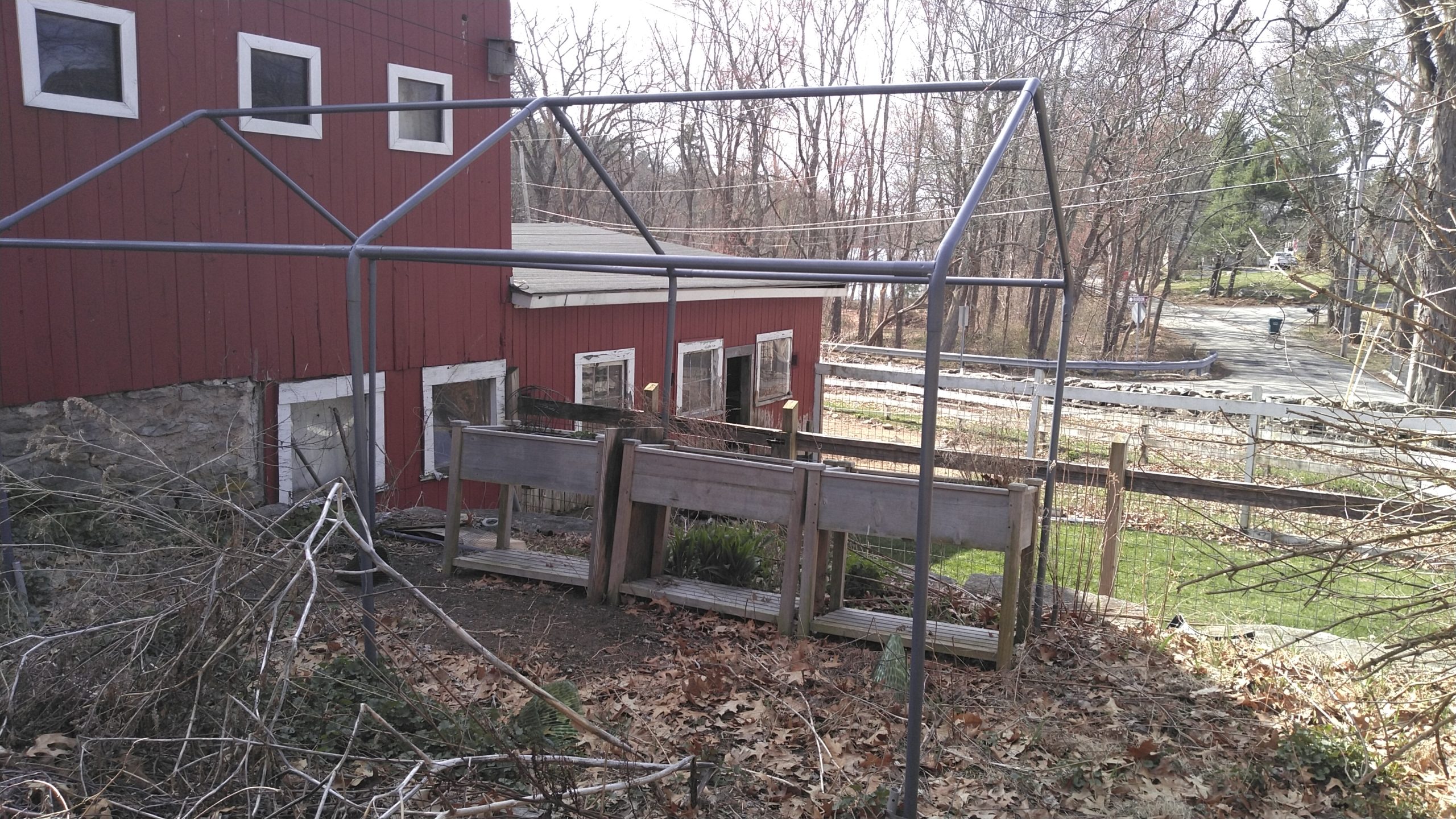
From Dirt to Dinner: Let’s Get That Garden Growing
If you followed along from Part 1 and Part 2, then you’ve done the hard part. You picked your spot, gathered your seeds or plants, and waited (not always patiently) for frost to move along.
And now? You plant.
This is where the magic starts. Equal parts science, luck, and a little bit of dirt under your fingernails.
We’ll talk mostly veggies here, but the same ideas work for herbs, flowers, and berries too. Plants don’t care what category we put them in. They just want decent soil, enough sun, and someone who remembers to water them.
Seeds vs. Plants: The Great Garden Debate
If you’re new, starting with small plants from a garden center can feel like the safer choice. They’re already alive, already growing, and a little less nerve-wracking.
But seeds? Seeds are where the real fun begins.
There’s something hard to beat about planting what looks like a crumb and then spotting those first tiny green shoots a few days later. It feels like you’ve pulled off a small miracle, even though nature did most of the work.
Some vegetables are especially easy to grow this way:
Lettuce
Beans
Peas
Cucumbers
Zucchini
Pumpkins
Melons
Carrots
Potatoes
You won’t often see these as starter plants (with a few exceptions), mostly because they grow fast and don’t like being transplanted. Put them right in the ground, and they’ll usually take off running.
Planting Without Guesswork
Here’s the least exciting (but most helpful) advice: read the seed packet or plant tag. Seed packets usually tell you planting depth, spacing, and timing, which is why they’re genuinely useful and not just decoration.
I know. Boring. No one reads the “instructions.” But those little details are surprisingly important.
They tell you how deep to plant, how far apart things should go, and how long you’ll be waiting. Some seeds (beans, potatoes) want to be buried deep and cozy, they need it to be dark. Others (carrots, lettuce) barely want a dusting of soil on top and actually need a little light to sprout.
If you’re starting seeds indoors, give them strong light and go easy on the watering. Soggy soil can invite mold and other seedling problems, so keeping things moist rather than soaked is the safer approach.
For plants, aim to place them level with the soil. Not too deep, not sticking up like they’re trying to escape. Just even with the ground around them.
After planting, water gently. Think “settling in,” not “flash flood.”
Watering: The Fine Line
If there’s one place gardeners tend to overdo it, it’s watering.
Plants need moisture, but they also need air around their roots. Too much water can be just as harmful as not enough.
A good check: stick your finger into the soil about an inch deep. If it feels dry, it’s time to water. If it still feels damp, give it a day.
You’re aiming for soil that feels like a wrung-out sponge. Damp, but not dripping.
If things start looking fuzzy, wilted, or generally unhappy, don’t assume they’re thirsty right away. Sometimes they’re actually drowning.
I know, it goes against what should be common sense. But plants aren’t like us.
The Uninvited Guests
Here’s the sad truth: once your garden starts growing, word gets out.
Bugs will arrive first. Then come the bigger visitors: mice, rabbits, woodchucks, maybe even deer depending on your area. Around here, they don’t ask permission.
A simple fence can go a long way. For smaller critters, wire barriers often do the trick. For more determined guests, you may need something sturdier. Sometimes you even need electric fencing if critters are especially large or determined.
If plants keep disappearing and you’re not sure who’s responsible, a small wildlife camera can solve the mystery fast. It’s a lot easier to fix a problem when you know whether you’re dealing with a bunny… or a midnight woodchuck with family and big appetites.
Growing the Natural Way
If you can, try to keep things simple and natural.
Healthy soil does most of the heavy lifting. Compost or well-aged manure adds nutrients slowly and safely, helping plants grow strong without the risks that come with heavy chemical fertilizers.
For pests, companion planting is a handy trick. Some plants help protect others just by being nearby. Marigolds are a classic example. They’re bright, cheerful, and surprisingly good at keeping certain pests away.
It’s not perfect, but it helps tip the balance in your favor.
Giving Plants a Little Support
Some plants are perfectly happy staying low and tidy.
Others… not so much.
Peas and beans love to climb, so give them a trellis or something to grab onto. They’ll head upward without hesitation.
Tomatoes, on the other hand, grow big and heavy. Without support, they tend to sprawl and can end up sitting on the ground, which leads to rot or pests. A cage or stake keeps them upright and easier to manage.
Think of it as setting them (and you) up for success before they get themselves into trouble. You don’t want to accidentally step on your harvest!
The First Flowers (A Very Good Sign)
One day, you’ll notice flowers showing up in your garden.
That’s when things get exciting.
Those flowers mean your vegetables and fruit are on the way. Each one is the start of something you’ll eventually pick, wash, and bring to the table.
And when you pick your first tomato warm from the sun? That’s the moment store-bought tomatoes lose their appeal forever.
Harvesting: Keep It Coming
Once your plants start producing, don’t hold back. Pick often.
Many plants will keep producing the more you harvest. They’ll stop if you stop, thinking their job is done.
You can pick vegetables small for tenderness or let them grow bigger for a fuller bite. Both have their place. Personally, I like smaller because it tends to win for flavor and texture. But there’s no wrong answer.
Just don’t forget to check your garden regularly. A zucchini can go from “perfect” to “how am I going to cook that baseball bat?” in a few days.
Saving (and Sharing) the Extras
At some point, your garden may get a little too generous.
That’s when it’s time to think ahead.
You can freeze, can, or dry your harvest to make it last. Even a small garden can produce more than you expect with a bit of planning.
And if you find yourself with extra, share it. Friends, neighbors, family, or a local food pantry will all appreciate fresh produce.
Gardens have a way of giving more than we need. It feels right to pass that along when you can.
Why We Keep Coming Back
Gardening isn’t just about the food, though that’s a pretty great bonus.
It’s the quiet mornings, the checking-in, the small daily changes. It’s noticing the first sprout, the first flower, the first ripe vegetable.
It’s fun to see what each day brings.
It’s a little bit of work, a little bit of patience, and a lot of small rewards along the way.
And at the end of it all, one thing holds true every time: Nothing beats homegrown.
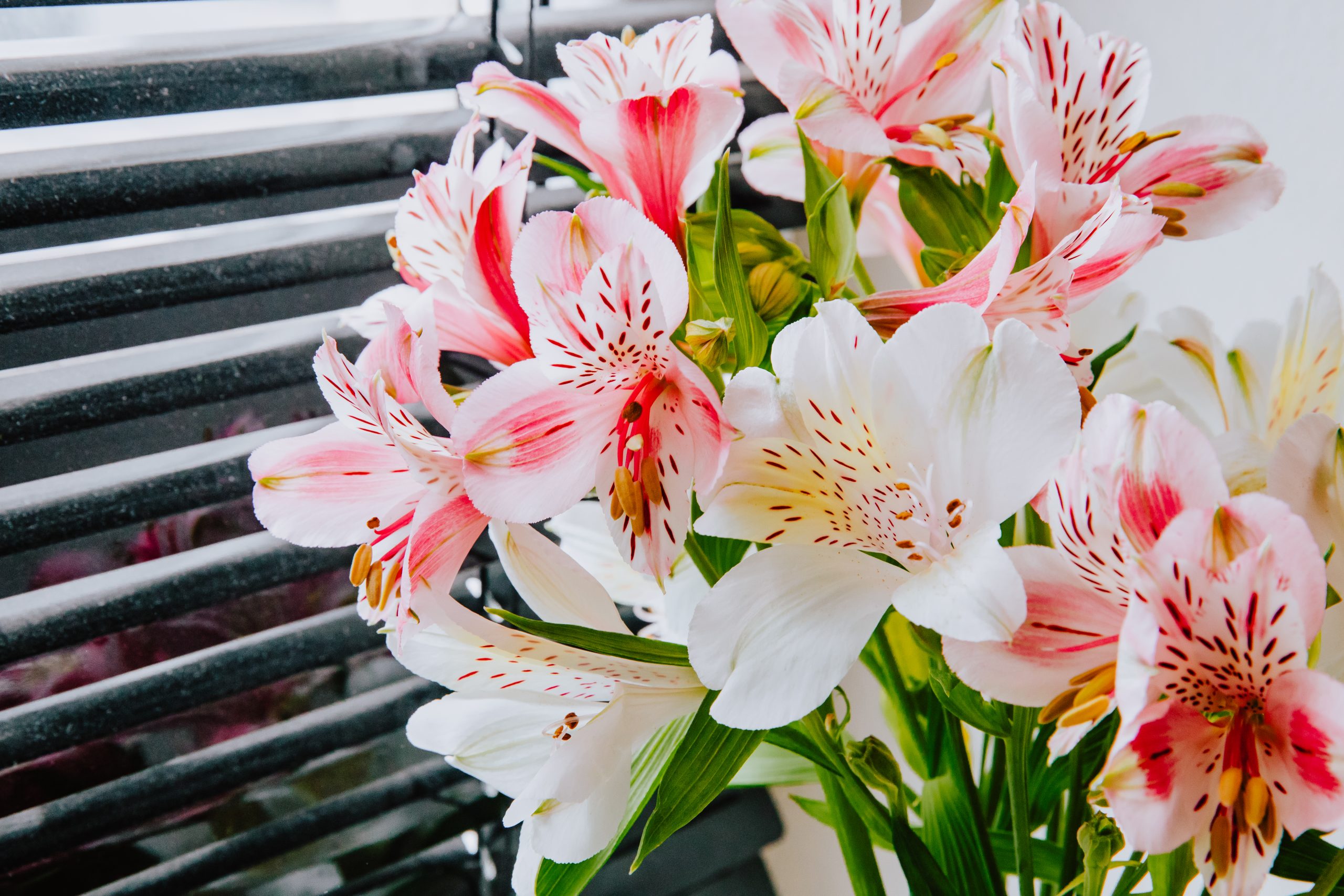
The Hidden Danger Sitting in Your Flower Vase
Lilies may be beautiful, but for cats, they’re extremely dangerous. True lilies and daylilies can cause severe poisoning in cats, and even very small exposures can be enough to trigger acute kidney injury.
Every part of a true lily is toxic: leaves, petals, pollen, even the water in their vase.
It doesn’t take much exposure, either. A small nibble, brushing against pollen and licking it off, or a sip of vase water can be enough to cause poisoning.
Early signs like vomiting or low energy can quickly turn into kidney failure within a few days.
Fast vet care is critical. Even then, the outcome isn’t guaranteed.
The most dangerous types include Easter, Tiger, Stargazer, and Daylilies.
Other “lilies” like peace or calla lilies are less severe, but can still cause painful mouth irritation and should be avoided.
Lilies often show up in floral arrangements, which makes them easy to bring into your home without thinking twice.
If you have a cat, you must check any bouquet before setting it where curious paws can reach.
Other plants like daffodils, tulips, azaleas, aloe, and ivy can also cause harm, though usually less severe.
Safer options include roses, sunflowers, orchids, African violets, and spider plants. African violets and spider plants appear on ASPCA-derived non-toxic plant lists, and orchids are commonly listed as safer alternatives for cat owners.
When in doubt, it’s best to keep unknown plants out of reach. Or out of the house.
Because cats are curious… and lilies don’t give second chances.
.
.
Click to Read Previous Issues of This Newsletter
.
Click to Subscribe to This NewsletterYou can also subscribe by clicking on the “Subscribe” button on the top left of previous newsletters.
Love this newsletter? Please SHARE it with your family, friends, and neighbors!
Love what you read and want to help keep the lights on?
Click to Make a Voluntary DonationThis post contains affiliate links, which means I may earn a commission
if you click through and make a purchase through these links.
This post is intended for informational purposes only. All information provided does not constitute veterinary medical advice and should not be used as a replacement for professional veterinary consultation. I am not a veterinarian or any other medical professional. Please consult your veterinarian regarding any change in treatment or supplementation for your companion animal.
.