
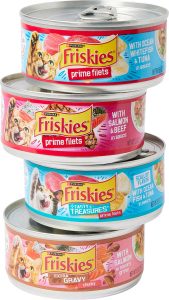
After last issue’s tip about lilies and cats, I started thinking about another hidden danger, one that surprises a lot of cat owners.
Fish.
“Wait,” you might be thinking. “Cats love fish.”
Do they, though? And more importantly… is it actually good for them?
Let’s dig in.
We’ve all been trained to think fish = cat food. Walk down any pet food aisle and you’ll see tuna, salmon, whitefish, you name it. But when it comes to urinary health, fish might not be the best choice, especially for certain cats.
Male cats are at higher risk for urinary blockages.
Not because crystals only form in males, but because males are more likely to get blocked by them. Their urethras are longer and narrower, which makes it easier for crystals to cause a complete blockage.
And a blocked cat can’t pee.
That’s not just uncomfortable, it’s a full-blown medical emergency that can turn fatal very quickly without treatment.
Neutered males can be even more vulnerable.
Not because neutering “causes” crystals, but because of the side effects that can come with it: less roaming, less activity, and often less water intake. All of that can lead to more concentrated urine… which is exactly the kind of environment where crystals like to form.
So what’s behind these crystals?
A big part of the story is minerals, especially magnesium and phosphorus. When levels get too high, they can contribute to crystal formation in the urinary tract.
And fish? It tends to be higher in both of those minerals compared to proteins like chicken or beef.
That doesn’t mean fish is “toxic.” But it does mean it can be a poor fit for cats who are prone to urinary issues, especially if it’s a regular part of their diet.
I learned this the hard way firsthand.
I’ve had two neutered male cats develop urinary crystals. Both ended up on prescription diets, and once a cat blocks, they’re much more likely to have problems again.
That experience changed how I feed my cats.
Since then, I’ve avoided fish-based foods altogether. And so far, things have been much smoother.
You might be thinking: “But cats LOVE fish!”
Maybe. But here’s something interesting I’ve noticed: if you don’t introduce it, they don’t miss it.
My current cats have never had fish. No tuna. No salmon. No dramatic kitchen sprints when a can opens.
And guess what?
They’re perfectly happy.
What they don’t get, they don’t crave.
That doesn’t mean fish is forbidden forever. It just means it’s worth thinking about how often – and how much – you’re feeding it.
If you have a cat that’s prone to urinary issues, fish is usually better treated as an occasional treat, not a daily staple.
And some fish are better left off the menu entirely.
Fish like tuna (especially frequent servings), tilefish (often labeled as “ocean whitefish”), mackerel, shark, and swordfish tend to raise more concerns. Some are higher in minerals, while others come with contamination risks that just aren’t worth it for a cat’s everyday diet.
On the flip side, if you do want to offer fish occasionally, a small amount of plain, cooked fish can be fine as a topper. Fish-flavored prescription diets are also carefully balanced to control mineral levels, so those are a different story entirely.
You can even use a little low-sodium tuna water or fish broth to encourage drinking. Just keep it light, and make sure your vet is on board.
Urinary health isn’t about one “bad” ingredient. It’s about the overall pattern.
The biggest risk factors tend to be:
- Concentrated urine (often from low water intake)
- Dry food as the main diet
- Excess weight
- Diets high in certain minerals
- Disrupting a carefully balanced urinary diet with treats or toppers
That last one catches people off guard.
Even small extras – treats, table scraps, “just a little tuna” – can throw off the balance of a prescription urinary diet. And when it comes to urinary health, consistency matters.
There are also a few other things worth limiting if your cat has had crystals before:
- Dry kibble as the main diet, since it doesn’t provide much moisture
- High-salt foods
- Bone-heavy raw diets or toppers (extra minerals can add up)
- Too many add-ons that weren’t part of the original feeding plan
If your cat has already had crystals, this part is important:
Not all crystals are the same.
Some require more acidic urine. Others require less. Trying to “DIY” a solution with over-the-counter foods can actually make things worse if you don’t know which type you’re dealing with.
That’s why a vet-prescribed urinary diet exists. It’s designed to control the mineral balance and the urine environment very precisely.
So where does that leave us?
Right here:
Prevention is less about banning one ingredient and more about building the right habits.
That means:
- Keeping your cat well-hydrated (wet food helps a lot)
- Maintaining a healthy weight
- Being mindful about mineral intake
- Sticking to a vet-approved diet if your cat has a history of issues
As for me?
Yes, I still do the slightly awkward “litter box check” now and then, just making sure everything looks normal. A nice, solid pee clump is a small but satisfying win.
And while I can’t guarantee my cats will never have urinary issues, I do feel better knowing I’ve stacked the odds in their favor.
Sometimes, the best thing we can do is not follow the crowd.
Even when the crowd says, “But cats love fish.”
It’s Not As Simple As Sink Or Float
One afternoon, with supper on my mind, I looked at my carton of eggs and thought…
There’s no real way to tell what’s going on in there.
Out on the farm, eggs have a way of piling up when the girls are feeling generous. And unlike milk or meat, they don’t exactly come with a clear warning sign when they’ve gone bad.
You can look at meat, cheese, or bread and usually tell if it’s gone sideways. A little mold or a strange color makes the decision easy.
But eggs? That pretty little shell is hiding everything.
So what are you working with? A perfect protein… or a pan-wrecking disaster?
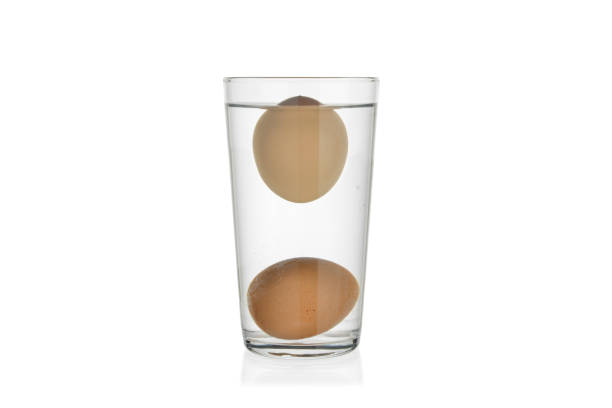
A lot of folks swear by the “float test.” Drop an egg in water, and if it floats, they say it’s bad.
Well… not so fast.
Inside every egg is a tiny air cell. As the egg sits, it slowly loses moisture through the shell, and that air pocket grows. The bigger the air cell, the more likely the egg is to float.
So floating doesn’t mean “bad.” It just means “not exactly fresh.”
And funny enough, those older eggs are actually better for hard-boiling – they peel easier.
Now, everyone’s got their own comfort level. Me? I’ll use eggs for cooking up to about 2 months, and for hard-boiling up to 3. After that… I’d be switching to store-bought, which are already well on their way south, and I’ll pass on that every time.
When I’m cooking, I always crack eggs into a separate dish first. That way, if one’s off, I don’t ruin the whole pan.
Hard-boiling, though? That’s where it gets a little more interesting.
I candle my eggs, and I try not to use anything older than 3 months – preferably closer to 2. But even then, a tiny crack you didn’t see could have let bacteria sneak in. And that literally makes for a rotten egg.
At the end of the day, your nose is still your best tool. If it smells off or looks strange, don’t argue with it.
So sure, there’s a little guesswork involved. But the float test alone won’t tell you the whole story.
.
.
Click to Read Previous Issues of This Newsletter
.
Click to Subscribe to This NewsletterYou can also subscribe by clicking on the “Subscribe” button on the top left of previous newsletters.
Love this newsletter? Please SHARE it with your family, friends, and neighbors!
Love what you read and want to help keep the lights on?
Click to Make a Voluntary DonationThis post contains affiliate links, which means I may earn a commission
if you click through and make a purchase through these links.
This post is intended for informational purposes only. All information provided does not constitute veterinary medical advice and should not be used as a replacement for professional veterinary consultation. I am not a veterinarian or any other medical professional. Please consult your veterinarian regarding any change in treatment or supplementation for your companion animal.
.