
We all have things we swear are necessities.
The latest iPad.
A Starbucks or Dunkin’ run every workday morning.
Binge-watching our favorite show until Netflix asks, “Are you still watching?” Yes, Netflix. Mind your business.
But when a hurricane, blizzard, or good old New England ice storm rolls through, the list of true necessities gets a lot shorter, fast.
Food.
Water.
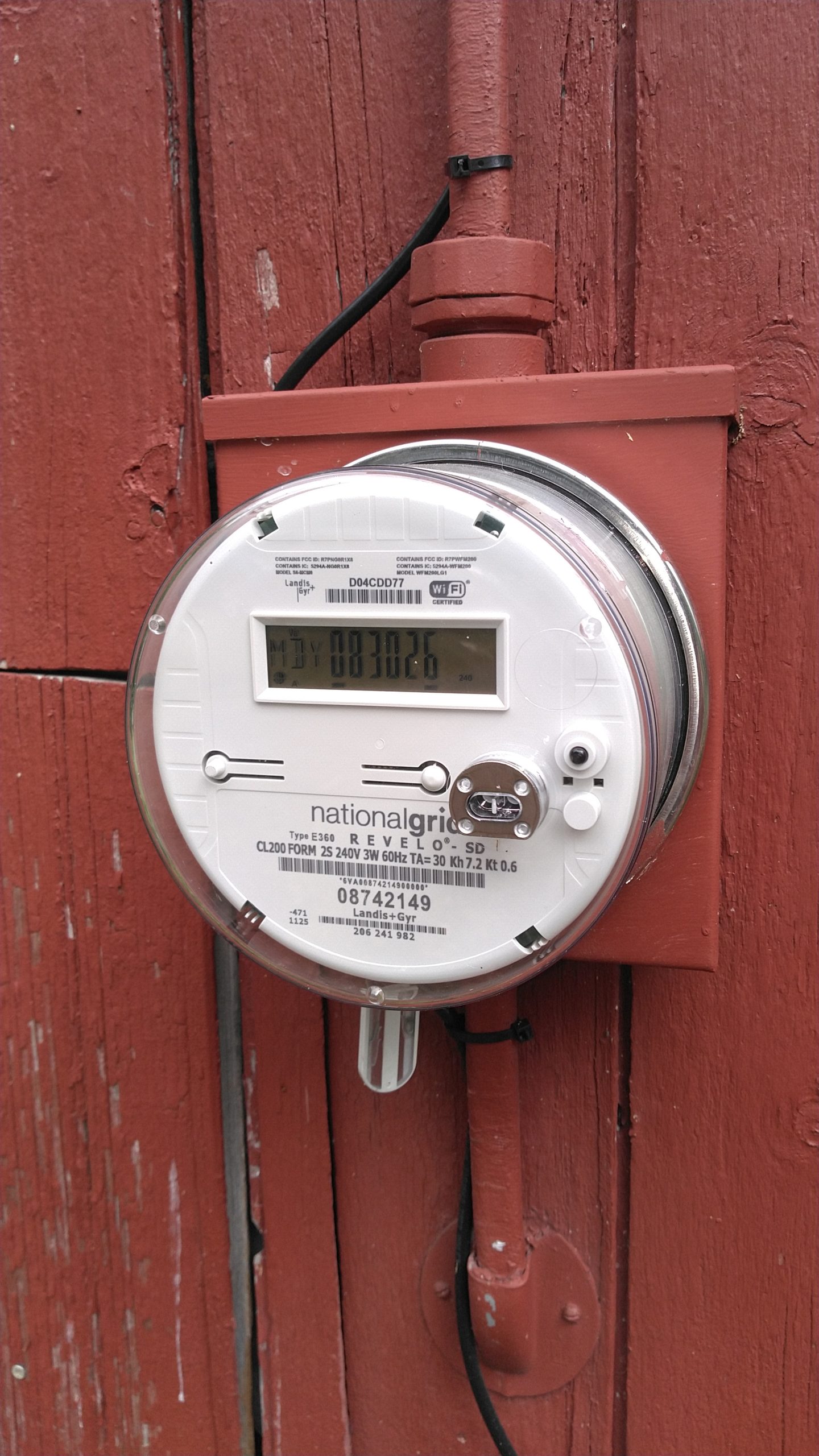
Electricity.
You can stock food in the pantry, fridge, and freezer, of course. But the fridge and freezer only work as long as the electricity does.
If you have town water, congratulations, you are ahead of the game. If you have a well, though, that water pump needs electricity too. No power can quickly turn into no water, no flushing toilets, and no coffee. Now that’s an emergency.
Honestly, electricity may be the biggest necessity of all nowadays, because it keeps so many other necessities working.
When the Lights Go Out, Things Get Real
A few hours without power is annoying. Overnight is inconvenient. But days? Or weeks? That is when things start getting interesting, and not in the fun “let’s make s’mores” kind of way.
And on a farm, it is not just about whether you can make do with warm soda, questionable leftovers, and an increasingly fragrant human being.
Animals need water. Animals need food. Eggs need refrigeration. Freezers need to stay frozen. Some crops, equipment, pumps, fences, and heat sources may need power too.
The cats, horses, goats, chickens, and other assorted barn residents are not terribly sympathetic to utility-company explanations.
“Sorry, everybody, there was a tree on a wire!”
They will not care.
Farm Life Does Not Pause for an Outage
That is why farm people tend to have backups for their backups. Murphy’s Law is very much alive and well out here, usually wearing muddy boots and arriving at the worst possible moment. If something can go wrong, it probably will do so during a storm, at night, on a holiday weekend.
For example, I have three heat sources: oil, wood, and electricity.
I have multiple air conditioners. No, I do not run them all at once. Although during a humid Massachusetts heat wave, I’ve certainly considered it!
I have one household fridge/freezer, two fridges in an outbuilding for eggs, and an upright freezer for extra storage.
There are also multiple pieces of equipment for the various jobs that need doing around here, because nothing says farm life like discovering the one machine you need has chosen today to develop a mysterious clunk.
Why I Needed a Backup for My Backups
But all of that depends on one thing: on-grid power.
And around here, it is not always the most dependable farmhand.
During a storm, I would say there is about a 50/50 chance of an outage. Sometimes the power even goes out on a perfectly pleasant, sunny, non-windy day. A tree comes down somewhere. A car meets a utility pole. A squirrel makes a very poor career decision near a transformer. The cause might be next door or miles away, but the result is the same: darkness, silence, and everybody suddenly needing something.
So my biggest tip this year, apart from the tree tip from past issues, is this:
Please get yourself some kind of backup power source, whether you’re on- or off-grid.
Everything needs a backup plan!
Especially if you have animals, crops, medical needs, a well, or a freezer full of food you would rather not turn into a very expensive science experiment. Power really does power life these days, if you will excuse the extremely appropriate pun.
Solar, Generators, and Other Ways to Keep the Farm Hummin
There are several options.
Solar panels are pretty cool. They are quiet, renewable, and can be a great long-term solution. They can also be expensive, take up some space, and inspire strong opinions about how they look. In snow country, you also need a way to clear the panels after a storm, because snow-covered panels are not doing much for you when you need them most. Batteries need maintenance too, and panels do not last forever.
Gas- or diesel-powered generators are another option. They are common and can be less expensive up front, but gasoline does not age gracefully. It can deteriorate, gum up carburetors, and leave you having a mechanical conversation with a generator at precisely the moment you least want one.
They are noisy, too, and they need fuel. A 5-gallon can of gasoline weighs about 34 pounds. A 5-gallon can of diesel can weigh close to 50 pounds. Carrying those cans may be manageable now, but it is worth thinking ahead as to whether it will still be manageable 10 or 20 years from now, in snow, rain, mud, the dark, or with medical or aging issues.
Then there are propane generators. They can run on natural gas, if your town has gas lines, or on propane stored in tanks on your property. Propane is easier on an engine than gasoline and does not have the same storage breakdown issues.
If you have natural gas, there is no fuel hauling. If you use propane, the delivery truck can come fill your tanks (unless for some reason you prefer hauling smaller tanks yourself). That means less lifting, less wrestling with fuel cans, and fewer opportunities to spill something on your boots.
There Is No One-Size-Fits-All Farm Fix
I cannot tell you which backup-power option is best for every person or property. It depends on your budget, your location, what utilities are available, what you need to run, and what feels realistic for your physical abilities.
But after a lot of research, head-scratching, number-crunching, and imagining every possible “what if,” I made a choice for this farm.
Next Issue: What I Finally Chose
In the next issue, I will show you what I chose, why I chose it, and how the final backup-power system works.
Because the next time the lights flicker, I would like the farm’s reaction to be, “Oh. Is that all?”
Nexbie

Preserve the memory of your beloved pet with a custom portrait from Nexbie.
Each piece captures the charm, color, and character of your pet in vivid detail, finished in a beautifully ornate frame ready to display.
A meaningful gift for pet parents,, pet memorials, or as a lasting keepsake of a cherished companion.
Click on the image to check it out!
Click to Read Previous Issues of This Newsletter
.
Click to Subscribe to This NewsletterYou can also subscribe by clicking on the “Subscribe” button on the top left of previous newsletters.
Like what you read here? You can help keep the barn lights on by sharing this newsletter with a friend who loves farm life, pets, or homesteading.
If you’d like to do a little more, a voluntary donation or a visit to my Amazon store for your own farm or pet needs helps keep the newsletter going strong.
And if you reply to the newsletter email (or use the contact button above) and tell me what you’d like to read next, that helps too!
This post contains affiliate links, which means I may earn a commission
if you click through and make a purchase through these links.
This post is intended for informational purposes only. All information provided does not constitute veterinary medical advice and should not be used as a replacement for professional veterinary consultation. I am not a veterinarian or any other medical professional. Please consult your veterinarian regarding any change in treatment or supplementation for your companion animal.
.